
How to Choose the Right Drill for Your Needs

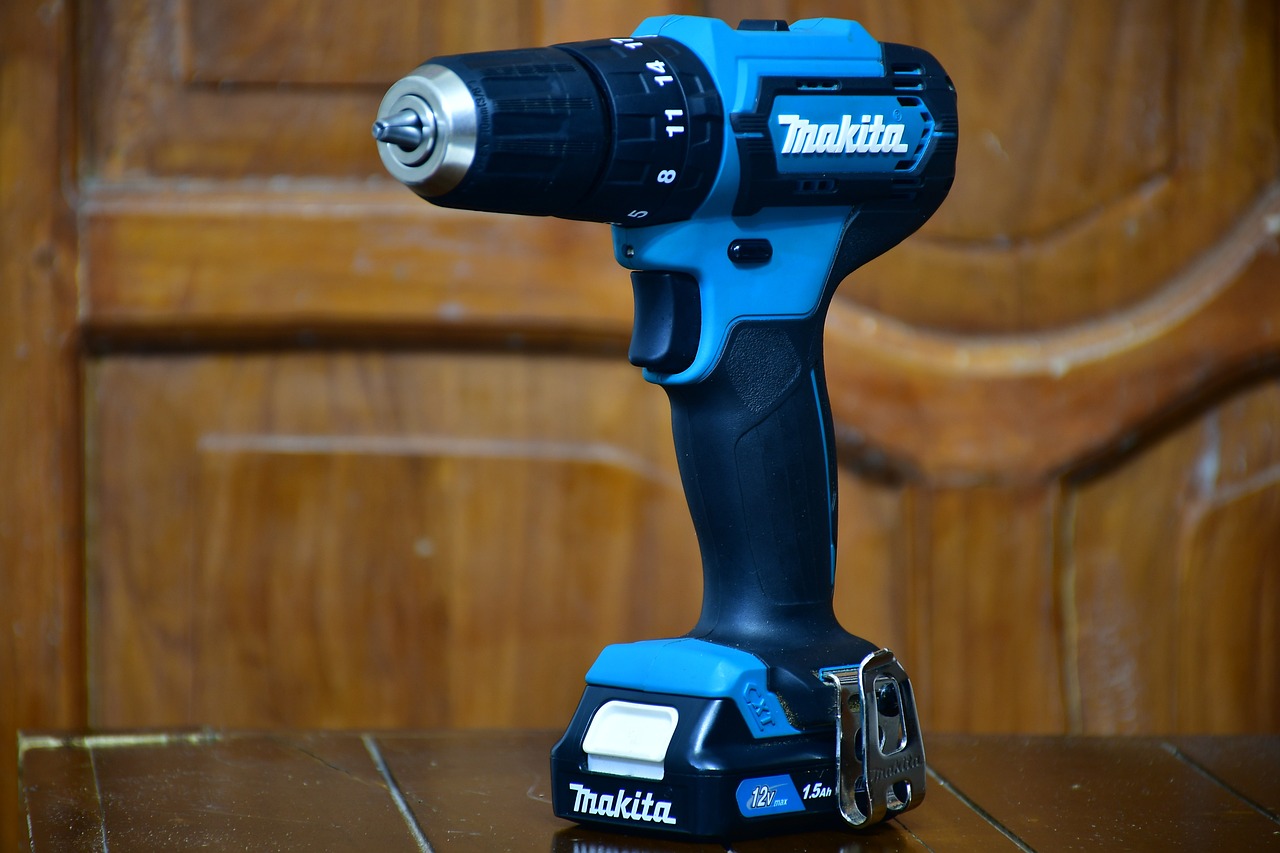
Corded or cordless?
This is the first decision:
- Corded drills: constant power, never run out, great for heavy or frequent use — but you need a socket nearby.
- Cordless drills: portable and convenient for quick jobs and tight spots, but limited by battery life.
For occasional home use, a cordless drill is convenient; for heavy drilling into concrete, a corded one delivers steady power.
Do you need a hammer drill?
Indian walls are often concrete or brick. A regular drill struggles with these, but a hammer drill adds a pounding action that bores through masonry easily. If you’ll drill into walls, choose a drill with a hammer mode.
Understand the chuck size
The chuck holds the bit. A 10mm chuck suits most home jobs; a 13mm chuck takes larger bits for heavier work. Match it to the kind of drilling you’ll do.
Check the power and speed
Higher wattage (corded) or voltage (cordless) means more power for tough materials. Variable speed control lets you drill delicate materials slowly and masonry faster — a genuinely useful feature.
Look for these handy features
- Forward/reverse for driving and removing screws
- A keyless chuck for quick bit changes
- An LED light for dim corners
- BIS-compliant safe wiring (corded)
Get the right bits
A drill is only as good as its bits. Get masonry bits for walls, wood bits for timber, and metal (HSS) bits for metal — using the right bit protects both the drill and your work.
Find corded and cordless drills with the right bits at Mavora Parlor — delivered free across India, with 7-day returns.